
Estimated reading time: 2 minutes
Are your employee reviews helping your team grow, or do they feel like just another task to check off your list?
Performance reviews are one of the most important leadership tools you have, yet many business owners and managers struggle to conduct them effectively. When done correctly, employee evaluations improve accountability, increase engagement, support fair compensation decisions, and protect your business from HR and legal risks.
In this Quick Tip episode of Biz Help For You, you will learn how to structure performance reviews that build trust, improve communication, and provide clear direction for future success. You will discover how to prepare for reviews, deliver constructive and meaningful feedback, document performance conversations properly, and set measurable goals that align with your organization’s strategy.
Whether you manage a small team or lead a growing department, this episode provides a clear, step-by-step framework to help you conduct performance reviews that truly support employee development and strengthen workplace culture.
If you want your performance evaluations to become strategic leadership conversations instead of uncomfortable meetings, this episode will give you the guidance you need.
If this episode provides value, please share it with another business owner or manager who leads a team.
For questions or business support inquiries, contact:
media@abandp.com
Key Notes
- Employee reviews are strategic leadership tools, not administrative tasks.
- Consistent evaluations improve accountability and employee engagement.
- Performance reviews support fair compensation and promotion decisions.
- Proper documentation protects both employees and employers.
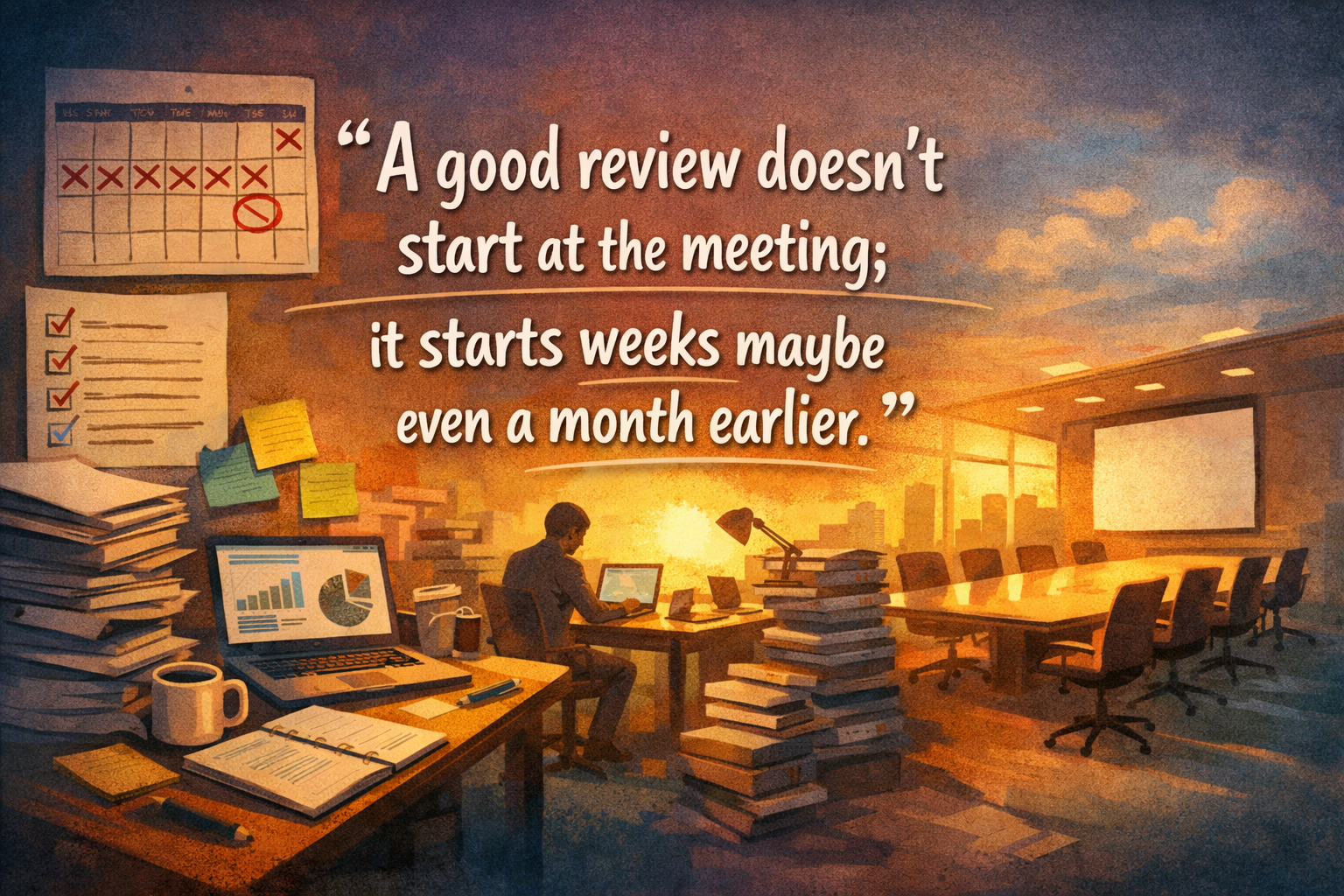
- Preparation should begin weeks before the review meeting.
- Positive recognition builds trust and encourages open communication.
- Constructive feedback should focus on behaviors, not personality traits.
- Collaborative dialogue improves employee development and buy-in.
- Goals must be clear, measurable, and time-bound.
- Regular feedback throughout the year improves formal review outcomes.